





How to look after your stick – care and storage

A good composite stick is a serious purchase – and a piece of equipment that works on wet, often sand-dressed surfaces and in contact with a hard ball. The good news: a few simple habits are enough to make it last longer and keep its properties. Here is our guide to care and storage.
After training: 30 seconds of cleaning
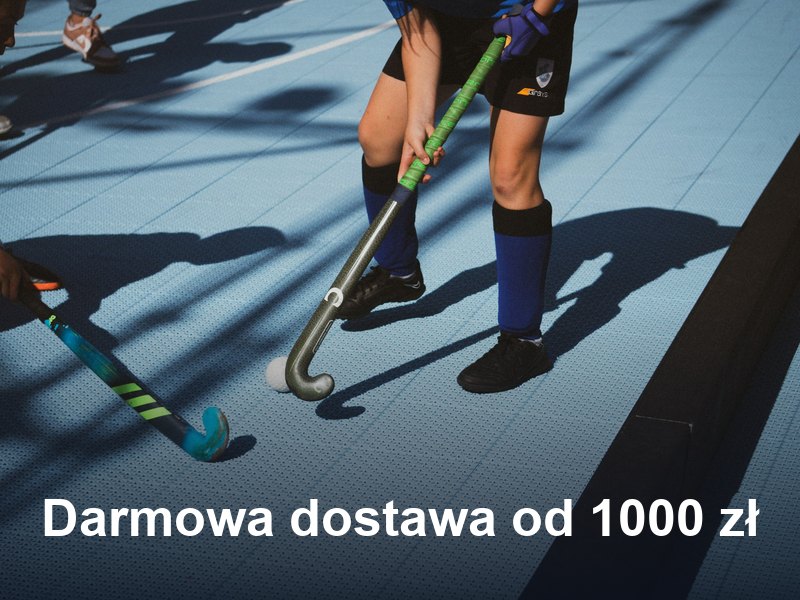
Hockey pitches come as non-filled, sand-dressed or sand-filled surfaces, and sand works on a stick like sandpaper. After training, remove sand and any other debris from that particular pitch from the head: wipe the stick with a damp cloth – especially the head and the lower part of the shaft – and dry it off. While you are at it, glance at the head: light scuffs are normal marks of play, but deeper chips are worth keeping an eye on.
The grip: when to replace it and which to choose
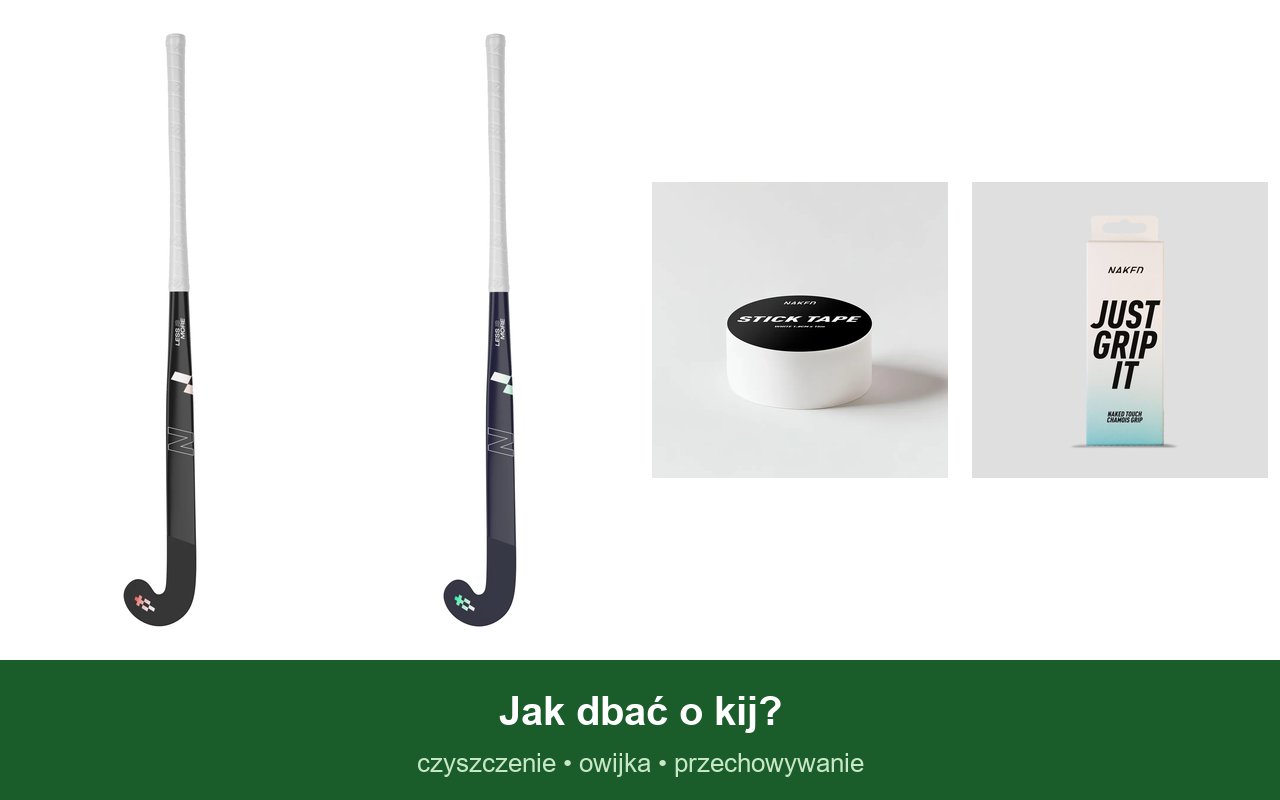
The grip is the only point of contact between your hands and the stick. A slippery or worn-through grip ruins ball feel and forces a tighter hold. There is no fixed replacement interval – wear depends on the product, moisture, your hold and how often you train. Replace the grip when you notice the signs: slipping, fraying, peeling or a loss of comfort. You can choose between chamois grips, which also work well with sweaty hands, and synthetic PU ones. Wrap from the bottom of the shaft upwards, with light tension and a small overlap – following the grip manufacturer's instructions. All our grips and tapes are in one category: Grips & Tapes.
Tape on the head
The bottom edge of the head – the part that rubs against the surface most – can be protected with stick tape. It is a cheap way to let a replaceable layer take some of the abrasion: the tape wears out, the stick stays.
Storage: enemy number one is the car boot
Composite – fibreglass, carbon or aramid, which we covered in our post on stick materials – does not like extreme temperatures. Avoid storing the stick for long in a hot car in summer or in freezing conditions in winter; follow the manufacturer's temperature ranges and recommendations. Store the stick in a dry place at room temperature: a room, a hallway, a locker at the club. Do not leave it in the boot overnight, do not lean it against a radiator and do not dry it on a heater. In transport, extra protection comes from a stick sleeve or a stick bag.
What not to do
- Do not soak the stick – brief contact with water does no harm, but the stick should not lie in water or dry “wet” inside a closed bag.
- Do not straighten or heat it – the curve is part of the stick's design, not a fault; we described bow profiles in our post on stick bow.
- Do not play on asphalt or concrete – a hard, rough surface can destroy the head in a single afternoon.
- Do not ignore cracks – a light scuff is cosmetic, but a lengthwise crack in the shaft or head is a warning sign.
When the stick is due for replacement
Three signals: a lengthwise crack in the shaft or head, a clear change of sound on impact (a dull, “hollow” noise) and a loss of stiffness – the ball stops “coming off” the hit the way it used to. If that sounds familiar, have a look at our range of Hockey Sticks. Our guide will help you choose a new model: how to choose a stick.
Got a question about a specific model or a small chip on the head? Email us at [email protected] – we will tell you whether tape is enough or it is time for a new stick.