






Hockey shoes: turf or indoor?

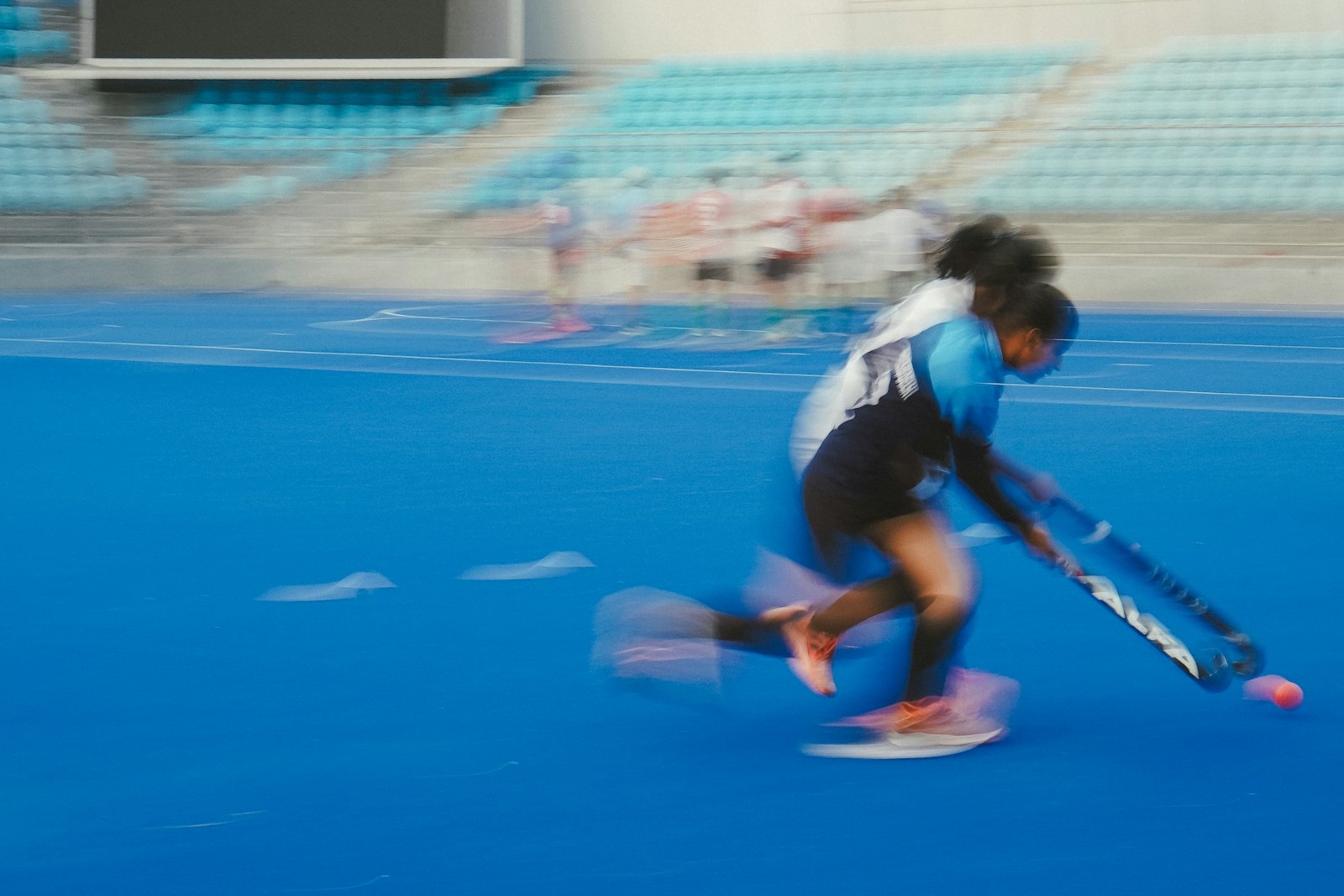
Stick sorted, shin guards ready, and on your feet… football boots? Long studs do not work on short artificial hockey turf, and the indoor floor calls for different footwear again. Here is how turf shoes differ from indoor shoes and what to look for when buying.
For turf: turf shoes
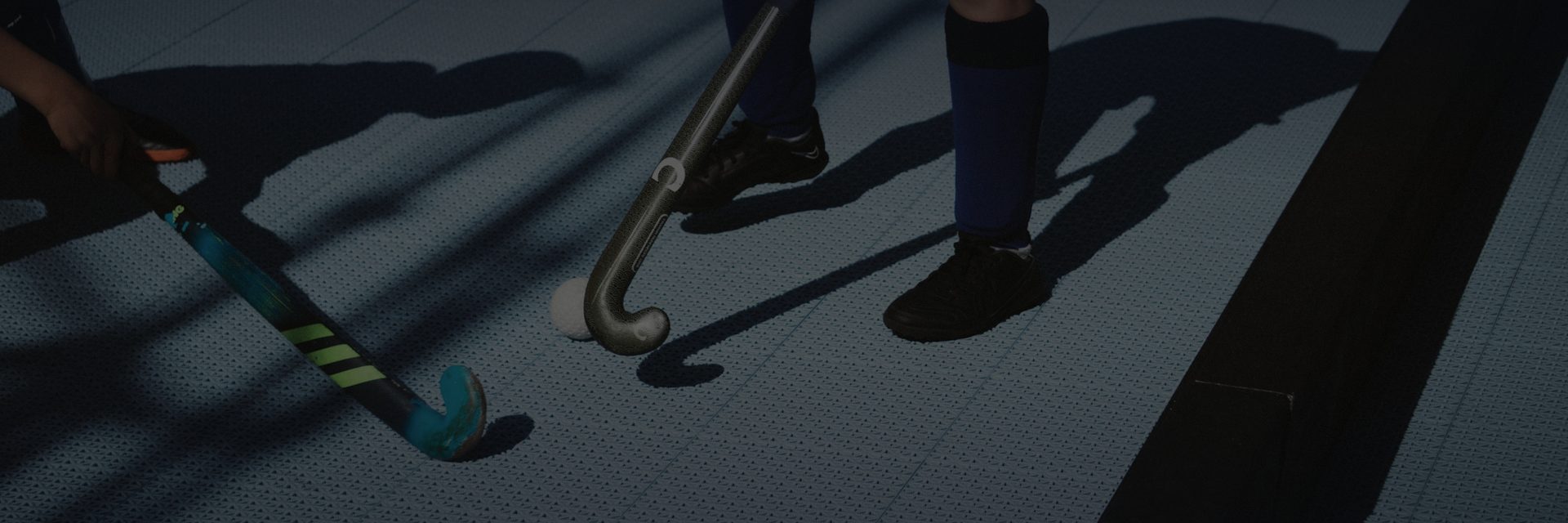
Hockey pitches are short-pile synthetic turf – water-based or sand-dressed. A low-profile turf or AG (artificial grass) sole works well on them: dozens of small rubber studs instead of a few large ones. Such a sole grips the wet surface with its whole area and does not “sink” into the ground on sharp turns. Good turf shoes also have reinforced sides – in hockey a lot of the work happens in a low lunge and on the inside edge of the foot. Also check which footwear the rules of the venue you play at allow.
Why not FG/SG football studs?
Football boots with FG (firm ground) and SG (soft ground) studs have long, widely spaced studs designed for natural grass they can dig into. On hard, short synthetic turf there is nowhere to dig in – the point pressure tires your feet and the grip is no better. On top of that, unstable support on a few studs increases the risk of a twisted ankle on the quick changes of direction hockey is full of. Football AG or turf models are a different category – they have a low, dense tread and can be used on artificial hockey turf if the venue's rules allow them.
For indoor: court shoes
Indoors, a flat, flexible non-marking sole – one that leaves no streaks on the floor – is the standard and a common venue requirement; check the rules of the hall you play in. Indoor shoes are usually lighter than turf shoes, low to the ground and give the floor feel needed for a game played right at floor level. Leave studded shoes in your bag – they slip on a wooden floor.
Feet deserve protection too
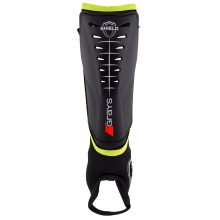
The ball weighs about 160 g and is rock hard – a hit on the midfoot hurts even through a shoe. Some defenders – especially the runners at penalty corners – use additional foot guards worn over the shoe. Decent playing socks complete the set-up: they hold the shin guard in place and wick away moisture.
How to get the size right?
Try shoes on in the socks you actually play in – playing socks tend to be thicker than everyday ones. Leave about half a centimetre of room in front of your toes: the foot works and swells during a match, and a shoe that is too tight on a hard surface is a straight road to bruised toenails.
Our footwear range at Field Hockey Zone is in preparation – if you are after a specific model right now, email us at [email protected] and we will advise and check availability. The rest of the kit, including sticks and protection, is in our shop.